

India’s White-Collar Hiring Grows 14% in August, Auto and Healthcare Lead Recovery
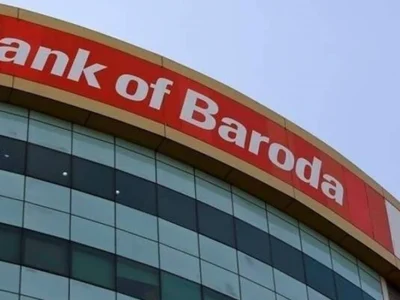
Bank of Baroda Recruitment 2026: 2,482 Local Bank Officer Posts Open Across 20 States
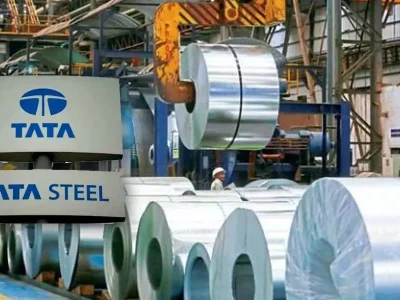
Tata Steel to Invest ₹10,000 Crore in Jharkhand, Create 2,000 Jobs by 2028

JPMorgan to Hire 1,000 Technology Professionals in India Despite AI-Driven Workforce Changes
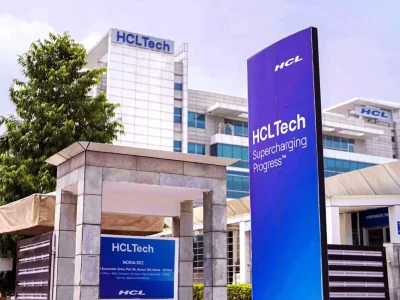
HCLTech to Establish India’s First AI-Optimised Data Centre in Odisha, Creating 6,000 High-Skilled Jobs

Fulcrum Digital Plans to Hire 800 Technology Professionals Over the Next Nine Months

Honda Motorcycle & Scooter India to Invest ₹2,420 Crore, Plans 3,800 New Jobs by 2028

Novo Nordisk adds 2,000 jobs in 2026, shifts to targeted hiring strategy
Novo Nordisk is rebuilding parts of its workforce after a year of significant layoffs, adding around 2,000 employees in 2026 as it sharpens its focus on high-growth areas. The move signals a transition from broad cost-cutting to more targeted talent investment.
The company reduced its headcount by nearly 7,800 roles in 2025—its largest workforce reduction to date. The restructuring was led by CEO Mike Doustdar and aimed at improving efficiency while redirecting resources toward core business segments, particularly its expanding portfolio of diabetes and obesity treatments.
The latest hiring push reflects a more selective approach. Rather than expanding across all functions, Novo Nordisk is focusing on roles aligned with long-term priorities. Recruitment efforts are expected to support production, research, and commercial operations linked to its key therapies.
This dual strategy highlights a broader organisational reset. By reducing roles in some areas while strengthening others, the company is reshaping its workforce to match evolving business needs, while maintaining tighter cost control.
The scale of both layoffs and hiring underscores the depth of change underway. After years of steady workforce expansion, Novo Nordisk appears to be adopting a more flexible model that allows for quicker adjustments in resource allocation.
The shift also reflects a wider trend across the pharmaceutical sector, where companies are reallocating talent toward high-value therapies and innovation-driven functions, while reducing roles in slower-growth segments.
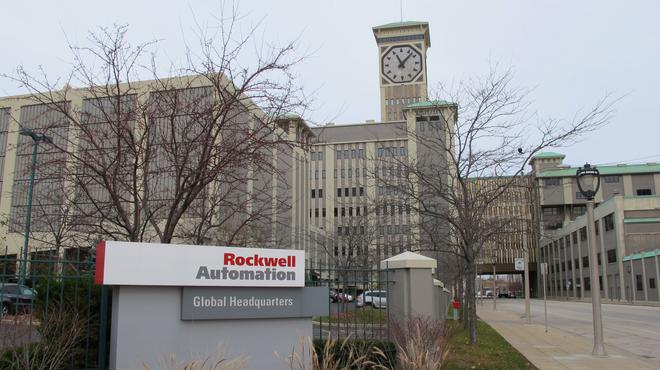
Rockwell Automation expands India workforce to 4,000 amid manufacturing push
Rockwell Automation has significantly expanded its workforce in India to around 4,000 employees, underscoring the country’s growing role in global manufacturing and digital transformation. The company’s headcount has risen sharply from approximately 700 employees a decade ago.
The expansion is being driven by increased industrial activity and a supportive policy environment. Government initiatives aimed at boosting manufacturing, along with favourable taxation and planning frameworks, have strengthened India’s position as an attractive hub for global operations.
India is increasingly emerging as a strategic market for automation and technology-driven manufacturing solutions. As industries accelerate the adoption of digital systems, demand for skilled talent in areas such as industrial automation, software development, and engineering services continues to grow.
Rockwell Automation’s hiring growth reflects this broader industry trend, as companies invest in local capabilities to serve both domestic demand and global delivery needs. The move also signals confidence in India’s long-term manufacturing potential and its expanding role in global supply chains.
The company is continuing to build teams across functions, positioning India as a key centre for innovation and execution within its global network.

Deloitte India to Hire 50,000 as it Pivots Toward an AI-First Talent Model
Deloitte India has announced a massive expansion plan to recruit 50,000 professionals, a move that underscores its commitment to India as a global hub for innovation. Despite widespread industry anxiety regarding artificial intelligence (AI) and potential job displacement, the firm is positioning AI as a primary driver for growth rather than a replacement for human talent.
Upskilling the “Future-Ready” Workforce
Central to this expansion is a comprehensive upskilling initiative. Deloitte is not just bringing in new blood; it is aggressively retraining its current staff to navigate the “AI era.”
-
AI Training: Nearly 30,000 employees have already completed training in AI-related capabilities.
-
Platform Transition: Another 20,000 staff members are currently transitioning into roles specifically designed to work alongside the firm’s internally developed technology platforms.
-
Financial Commitment: The firm is allocating approximately 9% of its revenue toward training, tech development, and capability building.
Establishing a Global Tech Hub
To solidify its technical leadership, Deloitte plans to launch a Quantum Center of Excellence in India. This center is intended to bolster the firm’s advanced technology capabilities and serve as a critical node in its global network for emerging tech.
Nitin Kini, Chief Operating Officer of Deloitte South Asia, noted that the goal is to transform India into both an “AI factory” and a “cyber shield.” He emphasized that while AI adoption faces hurdles like data security and high implementation costs, India’s large, young talent pool makes it the ideal environment to lead these global shifts.
Strategic Context
India currently accounts for nearly one-third of Deloitte’s global workforce, highlighting the country’s strategic importance. By doubling down on headcount and high-level training, Deloitte is betting that a “human-plus-AI” model will be the key differentiator in a competitive consulting landscape.
Trontek plans expansion, targets 500 new jobs by FY27
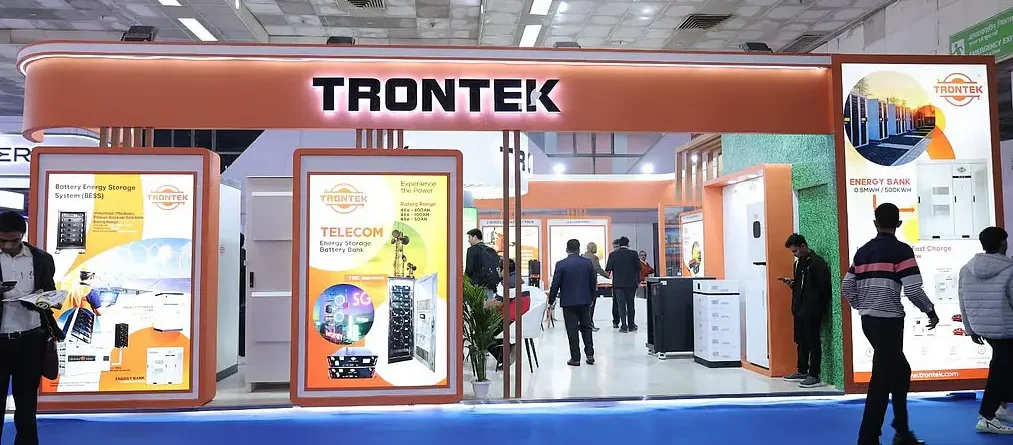
Trontek plans to expand its operations as demand grows for energy storage systems and electric mobility solutions in India. The company expects the expansion to create more than 500 new jobs by the financial year 2027.
The hiring initiative is expected to increase Trontek’s workforce from about 967 employees to nearly 1,400, marking one of the largest recruitment phases in the company’s two-decade history.
Most of the new positions will focus on manufacturing, battery engineering, quality systems, research and development (R&D), logistics and service operations. The expansion comes at a time when the adoption of lithium-ion batteries is increasing across electric two-wheelers, three-wheelers, rooftop solar installations and distributed energy storage systems.
A portion of the hiring will strengthen the company’s internal R&D capabilities. Areas of focus include battery management systems (BMS), thermal safety engineering, lifecycle optimisation and product validation designed for Indian operating conditions.
Samrath S. Kochar, founder and chief executive officer of Trontek, said the expansion reflects the company’s focus on building stronger engineering and manufacturing capabilities as the market grows.
“As demand increases across mobility and home energy systems, long-term competitiveness will depend on engineering depth and manufacturing resilience,” Kochar said.
The company is also expanding its engineering teams to develop locally designed battery technologies aimed at competing in global markets.
In addition to increasing manufacturing capacity, Trontek plans to introduce structured technical training programmes to develop specialised skills in lithium-ion battery assembly, safety compliance, electronics integration and energy-storage technologies.
Industry analysts note that companies operating in India’s battery and energy storage sector are expanding capacity as the country accelerates the transition to electric mobility and renewable energy systems.
Carrier Air Conditioning & Refrigeration to Invest ₹1,000 Crore in Andhra Pradesh, Plans 3,000 Jobs
Carrier Air Conditioning & Refrigeration is set to establish a ₹1,000-crore manufacturing facility in Sri City, Andhra Pradesh, in a move expected to generate significant employment and strengthen India’s HVAC manufacturing ecosystem.
The proposed plant will be developed on 39 acres in Sri City, located in Tirupati district. The facility is projected to create 1,000 direct jobs and an estimated 2,000 indirect employment opportunities, contributing to workforce growth in the region.
Focus on Sustainable Cooling Solutions
The manufacturing unit will concentrate on energy-efficient and sustainable cooling solutions, aligning with rising domestic and global demand for environmentally responsible HVAC systems. The company signed a lease agreement on 17 February, marking a key milestone in expanding its India operations.
Industry observers note that the investment reflects growing momentum in India’s HVAC sector, particularly in the area of green and advanced manufacturing.
Strategic Location and Industrial Ecosystem
Sri City has emerged as a prominent industrial hub, attracting cumulative investments exceeding $4.5 billion. The integrated business city includes:
-
A Multiproduct Special Economic Zone (SEZ)
-
A Domestic Tariff Zone (DTZ)
-
A Free Trade & Warehousing Zone (FTWZ)
-
An Electronics Manufacturing Cluster
These integrated zones provide infrastructure and regulatory advantages that support export-oriented and high-value manufacturing.
The state government has positioned Andhra Pradesh as a destination for technology-driven industries, and the Carrier project aligns with efforts to build globally competitive manufacturing clusters.
Employment and Skill Development Impact
Beyond the 1,000 direct roles, the project is expected to generate indirect employment across logistics, supply chains, services and ancillary industries. The multiplier effect may benefit local communities and small businesses connected to the manufacturing ecosystem.
The facility’s focus on sustainability and advanced technology is also expected to drive demand for skilled professionals in:
-
Energy efficiency
-
Green manufacturing processes
-
HVAC system design and innovation
-
Industrial automation
Rapid Project Finalisation
The project has progressed swiftly, taking approximately eight months from the company’s initial site visit to land handover and finalisation. The plant is expected to integrate green manufacturing practices and modern production systems to enhance efficiency and environmental performance.
Boost to Industrial Investment
Carrier’s planned investment underscores Andhra Pradesh’s continued push to attract high-value industrial projects. The development strengthens the state’s profile as an emerging hub for global manufacturing and talent growth, while expanding India’s capacity in sustainable cooling technologies.

Apple Expands India Retail Plans as Hiring Signals New Store in Hyderabad
Apple appears to be preparing for another phase of retail expansion in India, with Hyderabad emerging as the likely location for its next physical store. Recent job postings on the company’s careers portal list Hyderabad-based openings for roles such as Store Leader, Senior Manager, and Genius—positions typically associated with the launch of a full-scale Apple retail outlet. If confirmed, the store would become Apple’s seventh in the country, underscoring the company’s accelerating investment in the Indian market.
Apple formally entered India’s direct retail landscape in 2023 with the inauguration of flagship outlets in Mumbai and New Delhi. Those openings marked a significant milestone after years of operating primarily through third-party resellers. Since then, the company has expanded steadily. In 2025, it added three more locations in Pune, Bengaluru, and Noida, reflecting a broader strategy to deepen its physical presence in key urban technology and consumer hubs.
Chief Executive Officer Tim Cook has also confirmed plans for a second Mumbai store, though the company has not provided a specific launch timeline. The addition of Hyderabad would further extend Apple’s geographic reach and signal continued confidence in India as a long-term growth market, particularly as demand for premium smartphones and digital services rises among the country’s expanding middle class.
The company’s retail push is closely tied to the performance of its existing stores. Apple locations are designed not only as points of sale but also as experiential spaces offering product demonstrations, technical assistance, workshops, and community engagement. According to recent company commentary, Apple recorded its strongest-ever retail quarter globally, with India contributing record revenues across major product categories, including smartphones, personal computers, tablets, and subscription-based services. Strong in-store engagement and customer support are seen internally as key drivers of that growth.
For job seekers, the Hyderabad recruitment activity highlights opportunities across leadership, operations, and customer-facing technical roles. Apple’s retail structure depends heavily on trained staff who can provide product education, troubleshooting support, and personalized service. Roles such as Store Leader and Senior Manager typically oversee daily operations, workforce development, and customer experience strategy, while Genius Bar specialists focus on diagnostics, repairs, and technical guidance. The hiring wave therefore reflects not only physical expansion but also the company’s emphasis on building locally rooted teams capable of sustaining long-term customer relationships.
Industry trends reinforce Apple’s momentum in India. Market data places the company among the country’s top smartphone brands by revenue share, supported by growing consumer interest in premium devices and financing options that make higher-end products more accessible. Continued investment in local manufacturing partnerships and supply-chain diversification has also strengthened Apple’s positioning within the region, aligning with broader efforts to reduce dependence on single-country production bases.
Retail expansion plays a strategic role in that ecosystem. Physical stores allow Apple to showcase its integrated hardware-software experience, promote services such as cloud storage and media subscriptions, and provide after-sales support that can influence repeat purchases. In emerging premium markets, direct retail presence is often viewed as essential for brand trust and long-term loyalty.
Hyderabad, known for its large technology workforce and rapidly growing urban consumer base, fits naturally into this strategy. The city hosts major global technology firms, a strong startup ecosystem, and a sizable population of young professionals—demographics that align closely with Apple’s target audience for both devices and services. Establishing a store there would complement the company’s presence in other major metros while expanding reach into southern India’s high-growth corridors.
While Apple has not officially announced the Hyderabad location, the pattern of recruitment tied to previous store launches suggests that preparations may already be underway. Any formal confirmation would likely come closer to the completion of site development and staffing.
Taken together, Apple’s continued hiring, store openings, and revenue growth point to a sustained commitment to India as a priority market. As competition intensifies in the premium smartphone segment and digital ecosystems become more central to consumer technology adoption, the company’s expanding retail footprint is poised to play a defining role in shaping its next phase of growth in the country.