

India’s White-Collar Hiring Grows 14% in August, Auto and Healthcare Lead Recovery
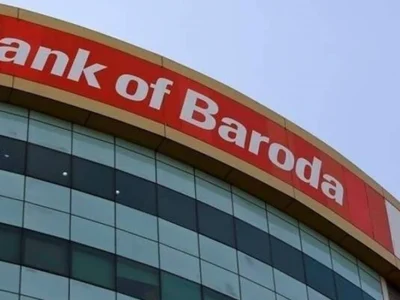
Bank of Baroda Recruitment 2026: 2,482 Local Bank Officer Posts Open Across 20 States
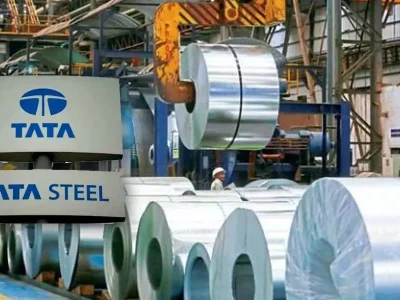
Tata Steel to Invest ₹10,000 Crore in Jharkhand, Create 2,000 Jobs by 2028
JPMorgan to Hire 1,000 Technology Professionals in India Despite AI-Driven Workforce Changes
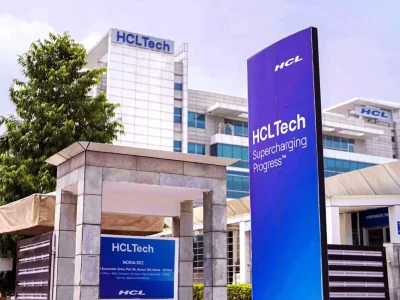
HCLTech to Establish India’s First AI-Optimised Data Centre in Odisha, Creating 6,000 High-Skilled Jobs

Fulcrum Digital Plans to Hire 800 Technology Professionals Over the Next Nine Months

Honda Motorcycle & Scooter India to Invest ₹2,420 Crore, Plans 3,800 New Jobs by 2028

India’s White-Collar Hiring Grows 14% in August, Auto and Healthcare Lead Recovery
India’s white-collar recruitment market recorded a strong year-on-year improvement in August, with hiring activity rising 14 per cent, according to the latest Naukri JobSpeak Index. The growth was led by the automotive, healthcare and retail sectors, signalling broader momentum across the job market.
The Naukri JobSpeak Index climbed to 3,028 in August 2026, compared with 2,664 in the same month last year. Hiring activity improved across both IT and non-IT industries, while demand increased across different experience levels.
Auto, Healthcare and Retail Drive Hiring Growth
The automotive sector recorded the strongest growth among major industries, with hiring increasing 19 per cent year-on-year in August.
Healthcare followed with a 16 per cent rise, while retail recruitment grew 15 per cent. Other sectors also reported positive hiring trends:
| Sector | Year-on-year growth |
|---|---|
| Auto | 19% |
| Healthcare | 16% |
| Retail | 15% |
| Insurance | 12% |
| IT | 11% |
| Banking | 10% |
| FMCG | 10% |
| BPO/ITES | 8% |
| Oil & Gas | 8% |
| Real Estate | 8% |
Pharma and biotech hiring remained unchanged from a year earlier. Hospitality and travel declined 4 per cent, while education recorded an 8 per cent fall.
Hiring Improves Across Experience Levels
The August recruitment data showed that employers were hiring across junior, mid-level and senior positions.
Fresher hiring increased 15 per cent compared with August last year. Professionals with four to seven years of experience saw a 10 per cent rise in recruitment.
Demand for more experienced professionals also strengthened:
- 8–12 years of experience: 16% growth
- 13–16 years of experience: 18% growth
- More than 16 years of experience: 13% growth
The increase in senior-level hiring points to improved demand for experienced talent, including managerial and leadership positions.
Festive Calendar Could Influence Hiring Trends
Hitesh Oberoi, Managing Director and CEO of Info Edge, said the August hiring figures should be viewed in the context of the festive calendar.
According to Oberoi, a larger part of the festive period fell in August last year, while this year’s festive activity is expected to be concentrated more in September. He indicated that the festive quarter would provide a clearer indication of the underlying recruitment trend.
Outlook for India’s Recruitment Market
The latest JobSpeak figures indicate that India’s white-collar hiring market has gained momentum, supported by strong recruitment in auto, healthcare and retail.
However, sector-specific weakness in education, hospitality and travel suggests that the recovery is not uniform across all industries. The coming festive quarter will be important in determining whether the August improvement translates into sustained hiring growth.
For job seekers, the rise in fresher and experienced hiring offers a positive signal, while employers may continue to focus on acquiring skilled talent across business and technology functions.

Bank of Baroda Recruitment 2026: 2,482 Local Bank Officer Posts Open Across 20 States
Mumbai: Bank of Baroda has announced recruitment for 2,482 Local Bank Officer (LBO) positions in Junior Management Grade/Scale-I (JMG/S-I) across 20 states and Union Territories.
The recruitment drive is aimed at strengthening the bank’s workforce in regional markets while creating career opportunities for banking professionals. The initiative is also expected to help the bank improve customer engagement by deploying officers with knowledge of local markets, languages and regional requirements.
Officers to serve in their selected state
A key feature of the recruitment is the location-based posting policy. Selected candidates will be posted in the state for which they applied for the first 12 years of service, or until they are promoted to Senior Management Grade Scale-IV (SMGS-IV), whichever occurs earlier.
According to the bank, the policy is intended to develop a workforce familiar with local customers, markets, languages and cultural requirements. This could help officers better understand regional banking needs and deliver services at the grassroots level.
The recruitment covers several states, including Gujarat, Karnataka, Maharashtra, Tamil Nadu and Odisha, among others.
Bank of Baroda recruitment eligibility
Candidates applying for the Local Bank Officer posts must be 21 to 30 years old as on August 1, 2026, with applicable age relaxations for eligible categories.
Applicants must have a graduation degree in any discipline from a recognised university.
The bank has also prescribed a minimum of one year of post-qualification experience as an officer in a Scheduled Commercial Bank included in the Second Schedule of the Reserve Bank of India Act.
Candidates must additionally have proficiency in the local language of the state for which they are applying. This includes the ability to read, write, speak and understand the language.
Application deadline
Eligible candidates can submit their applications online through the official Bank of Baroda recruitment portal. The application window will remain open until September 7, 2026.
Bank of Baroda Executive Director Lal Singh said the recruitment drive is intended to strengthen the bank’s workforce while creating opportunities for local talent and supporting economic development in the states where the bank operates.
The recruitment is part of the bank’s broader effort to build a workforce with stronger regional understanding and contribute to inclusive growth through employment and banking services.
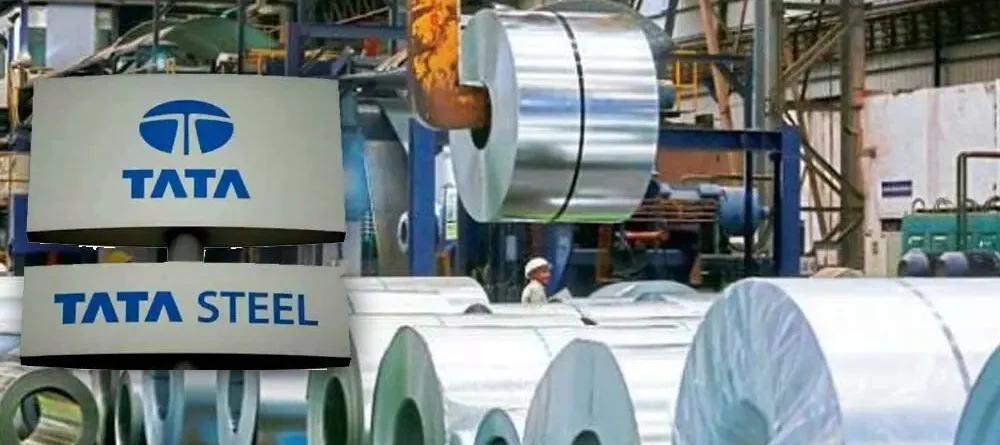
Tata Steel to Invest ₹10,000 Crore in Jharkhand, Create 2,000 Jobs by 2028
Tata Steel has announced plans to invest ₹10,000 crore in Jharkhand over the next three years as part of its expansion strategy. The investment is expected to generate around 2,000 direct and indirect employment opportunities by 2028 while supporting the company’s capacity growth and sustainability goals.
The investment, announced in Ranchi on 20 July 2026, is aligned with Tata Steel’s objective of increasing its steel production capacity in India from the current 27.35 million tonnes per annum (MTPA) to 40 MTPA. The expansion will combine capacity enhancement with the adoption of cleaner and more efficient steelmaking technologies.
A significant portion of the investment, ₹7,000 crore, will be directed towards the development of HIsarna and Easy Melting Technology. HIsarna is Tata Steel’s proprietary low-emission iron-making process that eliminates the need for coke ovens, sinter plants, and pelletisation units, helping reduce carbon emissions and production costs. The technology has been in commercial operation at the company’s Netherlands facility for the past decade, producing approximately 60,000 tonnes of iron annually.
As part of the initiative, Tata Steel will establish a one-million-tonne pilot HIsarna plant at its Jamshedpur complex. The facility will utilise the site’s existing infrastructure and supply hot metal to the steelmaking units. Engineering and feasibility studies for the project are already underway.
The remaining investment will support downstream business expansion. Tata Steel will invest ₹2,600 crore to modernise its Tinplate Division, while ₹1,500 crore has been earmarked for expanding the Combi Mill. According to Sarvesh Kumar, Chief of Corporate Communication at Tata Steel, these projects will enhance production capacity and diversify the company’s product portfolio.
Company officials also highlighted that the HIsarna process can utilise Indian coking coal, reducing dependence on imported raw materials and lowering input costs. The technology also requires lower capital investment than conventional steel plants by eliminating several upstream processing facilities.
Through this investment, Tata Steel aims to strengthen its manufacturing competitiveness, accelerate the transition to low-carbon steel production, and create new employment opportunities in Jharkhand while supporting India’s growing infrastructure and industrial demand.
JPMorgan to Hire 1,000 Technology Professionals in India Despite AI-Driven Workforce Changes
JPMorgan Chase is planning to recruit around 1,000 technology professionals across its Global Capability Centres (GCCs) in India, reinforcing its commitment to expanding its digital and technology capabilities despite the growing adoption of artificial intelligence (AI).
The hiring drive will primarily target specialists in cloud architecture, cybersecurity, AI data pipelines, and software engineering. As part of the recruitment process, candidates will undergo HackerRank-based assessments to evaluate their coding proficiency, algorithmic thinking, data structures, and system architecture expertise.
The new hires will support JPMorgan’s global technology initiatives while strengthening its expanding GCC operations in India.
The banking giant currently employs approximately 55,000 professionals across its technology centres in Bengaluru, Hyderabad, and Mumbai. The latest recruitment aligns with the company’s long-term investment strategy in India, including plans to develop Asia’s largest Global Capability Centre campus in Mumbai. Scheduled for completion by 2029, the two-million-square-foot facility is expected to accommodate nearly 30,000 technology and operations professionals.
The expansion comes soon after JPMorgan CEO Jamie Dimon stated that AI has reduced staffing requirements by 30–40% in certain business functions by significantly improving productivity. However, he emphasised that AI should not be viewed as a permanent competitive advantage, as its benefits are expected to become widely accessible across the industry.
JPMorgan’s hiring strategy reflects a broader industry trend, where organisations continue to invest in highly skilled technology talent even as AI automates routine tasks. Demand remains particularly strong for professionals with expertise in artificial intelligence, cloud computing, cybersecurity, data engineering, and digital infrastructure, making India an increasingly important hub for global technology and innovation.
HCLTech to Establish India’s First AI-Optimised Data Centre in Odisha, Creating 6,000 High-Skilled Jobs
HCLTech is set to establish India’s first AI-optimised data centre in Bhubaneswar, Odisha, with an investment of ₹14,257 crore. The project has received approval from the Odisha State Level Single Window Clearance Authority (SLSWCA) and is expected to create around 6,000 high-skilled employment opportunities, while positioning the state as a major hub for artificial intelligence and digital innovation.
The IT services company will collaborate with an Indian AI startup to develop the advanced data centre. In addition, HCLTech will set up a Global Delivery Centre (GDC) in Bhubaneswar, strengthening Odisha’s transformation into a technology-driven and AI-focused economy.
Beyond infrastructure development, HCLTech plans to invest heavily in talent development by launching large-scale upskilling programmes in artificial intelligence, cloud computing, data engineering, and cybersecurity. These initiatives will equip local graduates and professionals with industry-ready skills to support sovereign AI solutions for government and enterprise customers.
According to HCLTech, the project will not only generate significant employment but also enhance the region’s digital capabilities. The AI data centre will combine HCLTech’s full-stack AI and cloud expertise with India-centric foundation models developed by its startup partner to deliver specialised, domain-specific AI solutions.
The Odisha government has identified the project as a key milestone in its digital transformation strategy. Chief Minister Mohan Charan Majhi and HCLTech Chairperson Roshni Nadar Malhotra are expected to attend the Memorandum of Understanding (MoU) signing ceremony.
The announcement follows HCLTech’s recent decision to invest ₹3,500 crore in expanding its data centre business. During the same SLSWCA meeting, the Odisha government also approved 22 additional projects worth ₹4,573.87 crore, which are expected to generate another 22,873 jobs across multiple sectors.

Fulcrum Digital Plans to Hire 800 Technology Professionals Over the Next Nine Months
Fulcrum Digital has announced plans to expand its global workforce by hiring approximately 800 technology professionals over the next nine months. The company said the recruitment drive follows the award of a major enterprise contract and growing demand for AI-driven digital transformation services.
The planned hiring will span India, the European Union and the United States. Open positions include Java developers with Spring Boot and microservices expertise, .NET Core engineers, SQL specialists, data engineers, DevOps professionals, test automation engineers and technical programme managers.
The company also plans to strengthen its artificial intelligence capabilities by recruiting professionals in AI solution architecture, MLOps, prompt engineering and “forward-deployed engineers”—roles focused on working directly with enterprise clients to deploy, optimise and scale AI solutions in operational environments.
According to Fulcrum Digital, demand for AI talent has evolved over the past 18 months, with organisations increasingly seeking professionals who can combine technical expertise with an understanding of business objectives and enterprise implementation.
The company said it is pursuing a dual talent strategy that combines external hiring with internal capability development. Alongside recruitment, Fulcrum Digital plans to invest in structured learning and upskilling programmes to help software engineers develop AI-related skills and support enterprise AI initiatives.
The hiring initiative reflects broader trends in enterprise technology, as organisations continue to integrate artificial intelligence into core business operations and customer-facing services. Companies are increasingly looking for professionals who can bridge software engineering, AI implementation and business transformation.
Fulcrum Digital is a global provider of enterprise AI and digital transformation services, supporting organisations in adopting AI technologies across business operations and customer experiences.

Honda Motorcycle & Scooter India to Invest ₹2,420 Crore, Plans 3,800 New Jobs by 2028
Honda Motorcycle & Scooter India (HMSI) has announced plans to invest approximately ₹2,420 crore to expand its manufacturing capacity in India. The investment will fund new production lines at the company’s plants in Rajasthan and Gujarat and is expected to create around 3,800 new jobs by 2028.
The larger of the two expansion projects will be at the company’s Tapukara manufacturing facility in Rajasthan. HMSI will invest about ₹1,500 crore to establish a third production line and acquire an additional 73,700 square metres of land for the expansion. The new line will manufacture 125cc and 160cc scooters and light motorcycles, adding an annual production capacity of 670,000 units. Scheduled to begin operations in 2028, the expansion will increase the plant’s total capacity to 2.01 million units per year and is expected to generate more than 2,000 jobs.
The company will also invest ₹920 crore to add a fourth production line at its Vithalapur plant in Gujarat. Dedicated to manufacturing 125cc motorcycles, the new facility will add 650,000 units of annual production capacity. Expected to become operational in 2027, the expansion will raise the plant’s total capacity to 2.61 million units annually and create approximately 1,800 jobs.
Following the completion of both projects, HMSI’s total manufacturing capacity in India is expected to increase from 6.25 million units to approximately 8 million units per year by the end of FY2028.
According to Tsutsumu Otani, President and CEO of HMSI, the investment reflects Honda’s long-term commitment to India, one of the world’s largest two-wheeler markets. He said the expansion will strengthen the company’s manufacturing ecosystem and improve its ability to meet growing customer demand.
Honda Motorcycle & Scooter India began operations in the country in 2001 and has produced more than 70 million two-wheelers in India. The company currently operates manufacturing facilities in Manesar (Haryana), Tapukara (Rajasthan), Narsapura (Karnataka), and Vithalapur (Gujarat) as it continues to expand its production footprint in response to increasing market demand.